10 Popular Places to Live as an Expat
Where expats actually settle in Costa Rica, from Central Valley suburbs to Pacific beach towns, with the tradeoff each list usually skips.
The most popular places to live in Costa Rica as an expat fall into two groups: Central Valley towns like Escazú, Santa Ana, and Grecia, with springlike weather and big-city services, and Pacific beach towns like Tamarindo, Jacó, and Playas del Coco, which trade some convenience for the ocean.
We first published this list in 2023 and have refreshed it for 2026 based on what we see on the ground. We are Expat Properties | CR, a real estate and vacation rental management company based in Playas del Coco, so we know Guanacaste best, but we have tried to be fair to every region. No town is perfect, and each entry below includes the tradeoff most lists skip. If you want the deeper version of how we compare beach towns, read our post on what makes Playas del Coco different from other Guanacaste beach towns.
1. Escazú
Escazú sits in the hills just west of San José and has been the default landing spot for corporate transferees and embassy families for decades. You get private hospitals, international schools, familiar shopping, and every service you could need within a short drive. English is widely spoken in business settings. The tradeoff: you are living in an upscale suburb of a capital city, with the traffic and prices that come with it, and the nearest good beach is a couple of hours away. If your life revolves around healthcare access and city amenities rather than sand, Escazú makes sense.
2. Santa Ana
Santa Ana is Escazú's neighbor and rival, a little sunnier and drier, with a walkable old town core surrounded by gated communities and modern condo projects. It has grown fast as a business hub, and many younger professional expats prefer its energy to Escazú's more established feel. Infrastructure is excellent by Costa Rican standards. The tradeoff is the same as Escazú's: this is city living, not tropical beach living, and rapid growth means construction and congestion. Renting here for a few months is a common first step for families who need to sort out schools before committing.
3. Tamarindo
Tamarindo is Guanacaste's best known surf town, and it earns the reputation: consistent waves, a big international restaurant scene, and one of the largest expat communities on the coast. It is one of the few beach towns where you can live comfortably without a car. The tradeoff is that popularity has a price. High season brings crowds and traffic, and real estate costs more per square meter than in most of the province. We list and manage properties in the Tamarindo area, so we say this with affection: it is a great town that is no longer a secret.
4. Arenal and La Fortuna
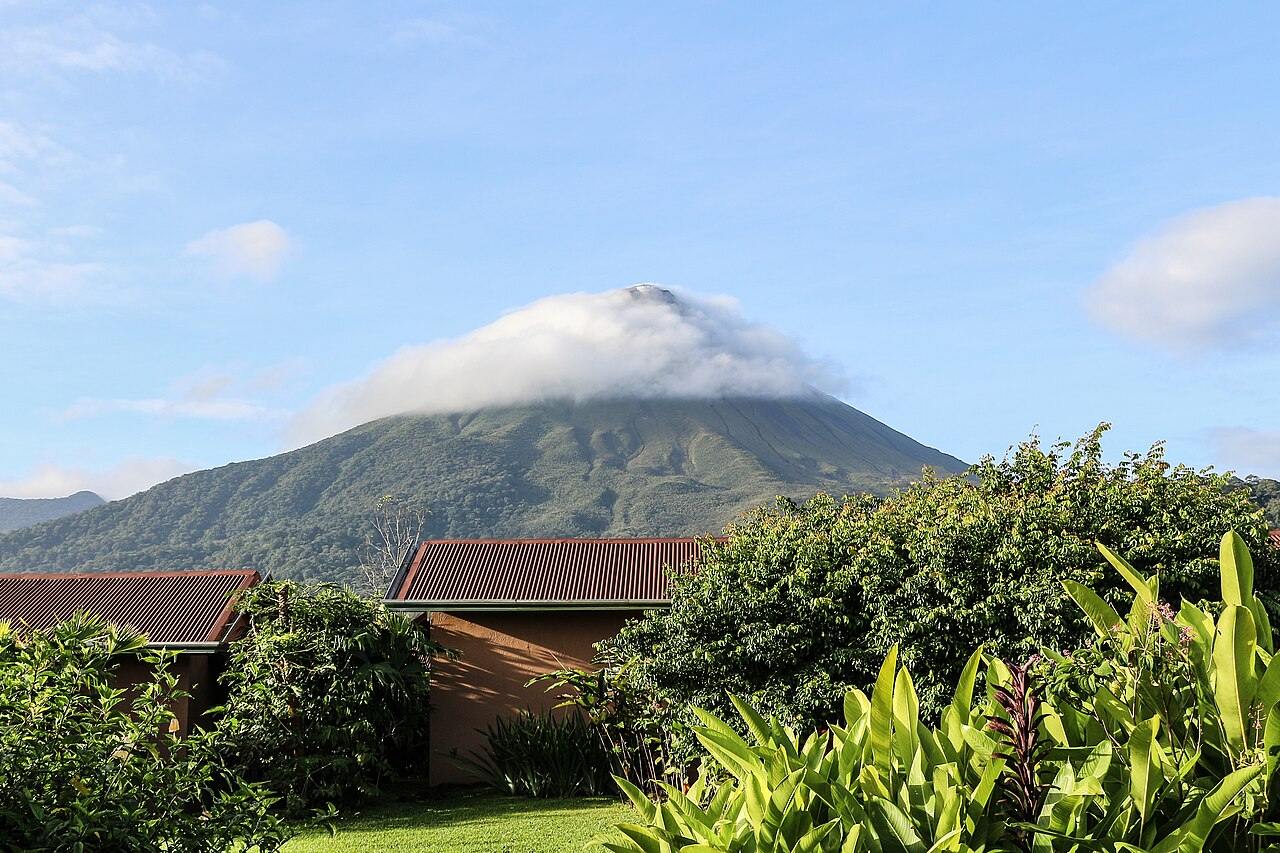
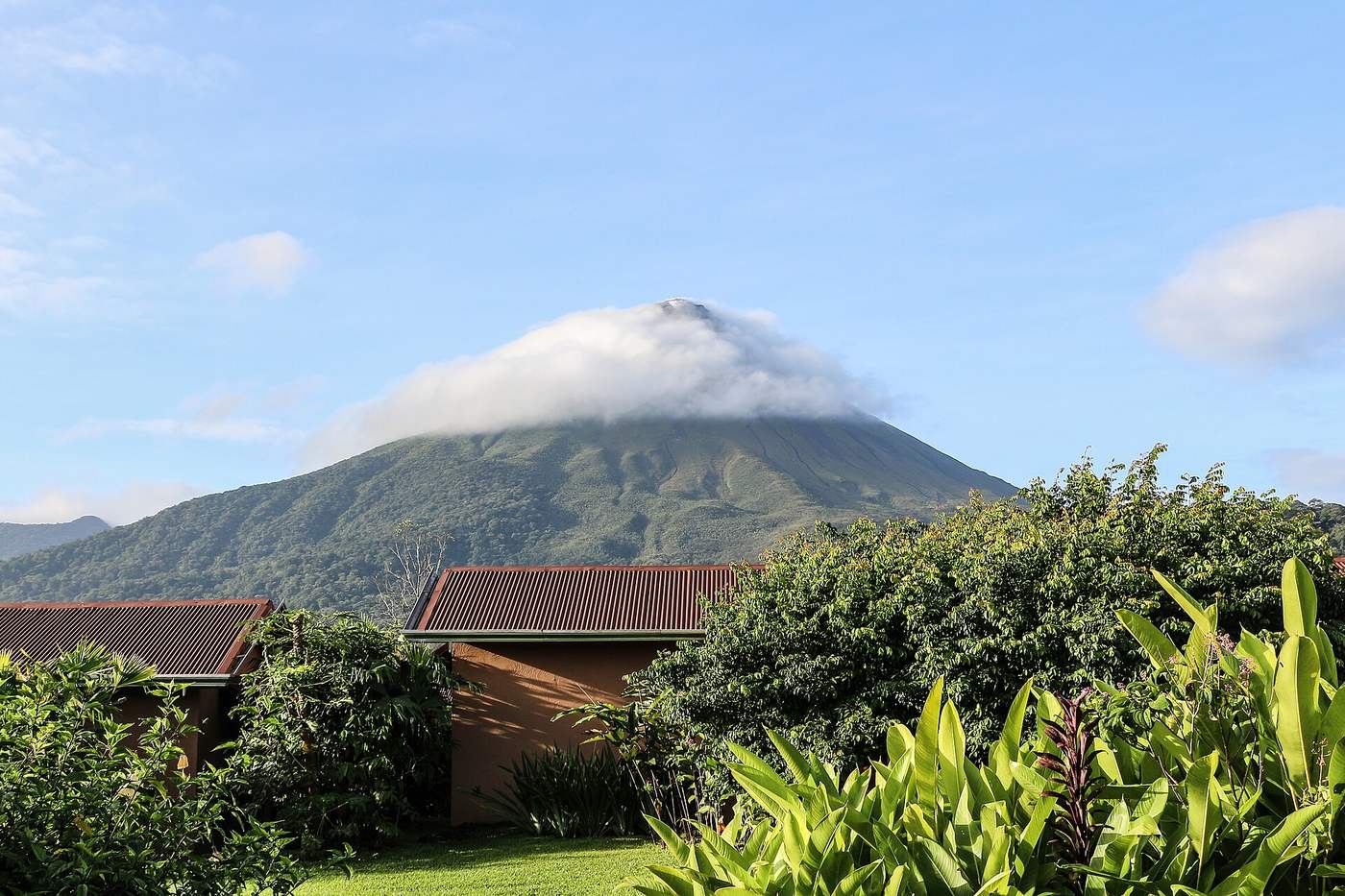
The Arenal region offers something the coast cannot: green hills, a volcano on the horizon, hot springs, and a large freshwater lake. Towns around Lake Arenal, like Nuevo Arenal and Tilarán, attract retirees who want cooler temperatures and lower prices, while La Fortuna runs on adventure tourism. The tradeoff is weather and distance. This is one of the wetter, cloudier parts of the country, and you are two to three hours from an international airport and from the beach. People who love it really love it. People who need constant sun tend to move on.
5. Grecia
Grecia is a working Costa Rican coffee town in the Central Valley, famous for its red metal church and its climate, which stays mild all year without air conditioning or heating. The cost of living is noticeably lower than in Escazú or the beach towns, and the expat community, while smaller, is well organized. The tradeoff: this is real small-town Costa Rica. Conversational Spanish moves from helpful to necessary, and the coast is a long drive away. For a sense of what daily budgets look like across regions, see our guide to the cost of living in Costa Rica.
6. Manuel Antonio
Manuel Antonio, together with the neighboring town of Quepos, wraps around the country's most visited national park, a place so popular that Costa Rica's tourism board features it as a flagship destination. For expats, that means a strong tourism economy, good restaurants, and steady vacation rental demand. The tradeoffs are real: the central Pacific is hotter and more humid than Guanacaste, prices near the park are steep, and the area can feel like it exists for visitors rather than residents. Many owners here buy for rental income first and personal use second.
7. Jacó
Jacó is the closest developed beach town to San José, which shapes everything about it. Weekenders from the capital keep restaurants and condo towers busy year round, the surf is reliable, and you can reach big-city hospitals without an overnight trip. The tradeoff is atmosphere. Jacó has a party reputation it has only partly outgrown, and the beach itself is not the country's prettiest. It suits expats who want energy, condo convenience, and proximity to San José more than postcard scenery or small-town quiet.
8. Dominical
Dominical, and the Costa Ballena coastline running south through Uvita, is where the rainforest comes all the way down to the ocean. The scenery is dramatic, the surf is serious, and the community leans bohemian, with a strong focus on conservation and wellness. The tradeoff is remoteness and rain. The green season here is intense, services are thinner than in Guanacaste, and both international airports are hours away. Expats who choose Dominical usually did not shortlist it against Tamarindo; they wanted jungle, and this is the jungle.
9. Playas del Coco
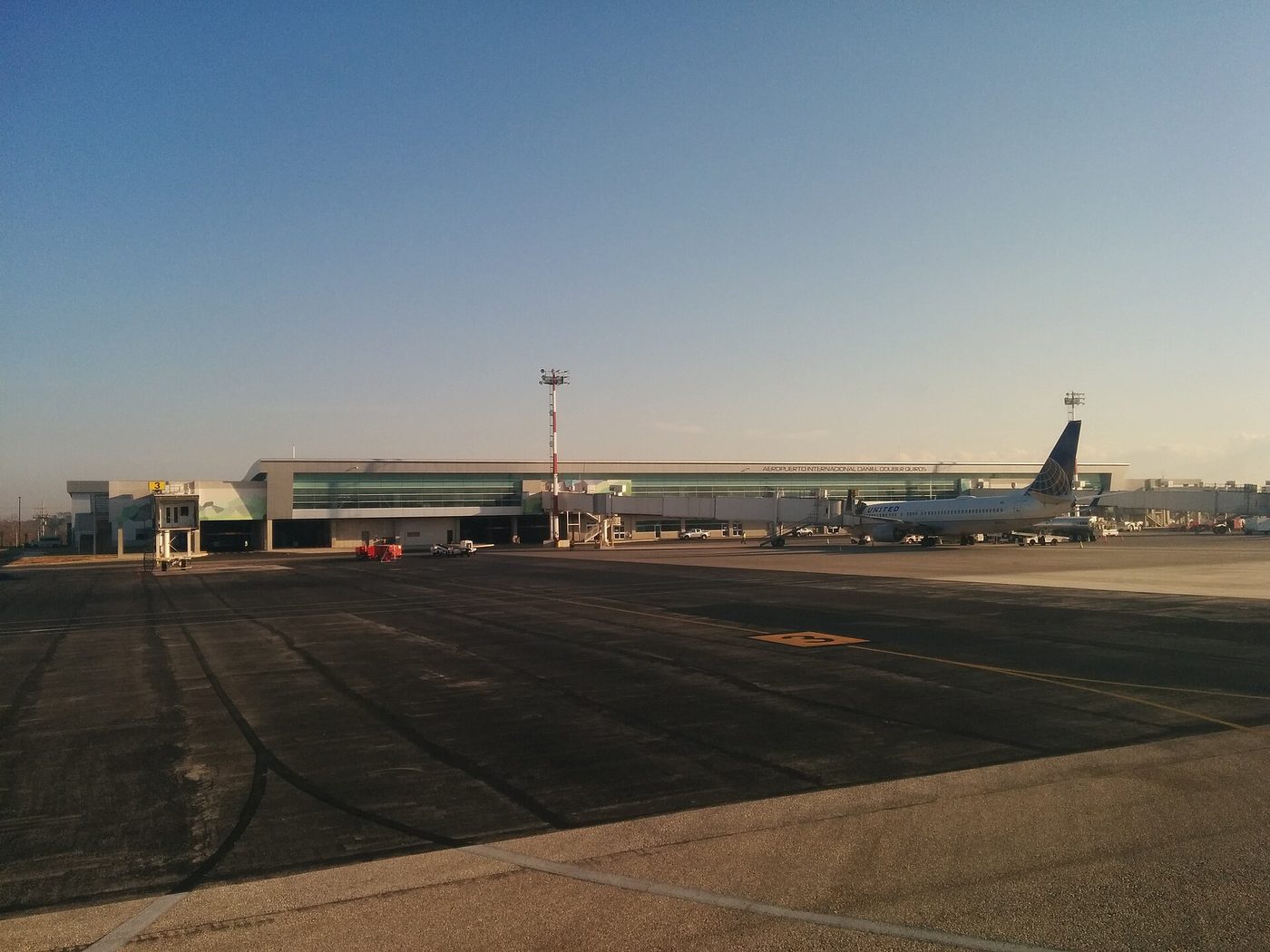
Playas del Coco is our home, so judge our bias for yourself, but the fundamentals are easy to check. Coco sits about 23 kilometers, roughly a 30 minute drive, from Guanacaste Airport (LIR) in Liberia, which has nonstop flights to dozens of North American cities. It is one of the driest, sunniest parts of the country, and unlike some resort towns it is a real Tico town that stays open all year, with banks, clinics, supermarkets, and private hospitals nearby in Liberia. The tradeoffs: the late dry season is hot and brown, and the beach is dark volcanic sand, not white powder. Our expat guide to the Papagayo region covers daily life here in detail, and our Playas del Coco area page shows what is on the market.
10. Ojochal
Ojochal is a small village on the southern Pacific coast with an outsized reputation for food. A wave of French Canadian settlers built a restaurant scene that has no business existing in a town this size, and the hills above the village hide ocean-view homes in thick jungle. The tradeoff mirrors Dominical: heavy green season rain, limited services, and a long drive to any airport. Ojochal rewards people who want quiet, nature, and good dinners, and who genuinely do not miss having a mall.
How do you choose the right town?
Rent before you buy, and visit in both seasons. A town that charms you in February can feel very different in October, and the reverse is true in the Central Valley. Most newcomers start on a tourist entry, which Costa Rica extended to 180 days for many nationalities; we covered the details in our post on the 180-day tourist visa. If you plan to stay long term, the pensionado program currently requires proof of about US$1,000 per month in lifetime pension income, and the rentista route about US$2,500 per month, but requirements change, so confirm the current rules with a licensed Costa Rican immigration attorney before you plan around them.
If Guanacaste is on your shortlist, we can help you compare these towns honestly, because we live here and manage about 40 rentals in Coco and Ocotal. Browse our current listings, or send us a message and tell us what your ideal week looks like. We will tell you plainly which of these places fits it, even when the answer is not ours.
Frequently asked questions
What is the cheapest popular place to live in Costa Rica?
Central Valley towns like Grecia are generally the most affordable on this list, since prices there are set by the local economy rather than tourism. Beach towns cost more, and Escazú, Santa Ana, Tamarindo, and Manuel Antonio sit at the expensive end. Housing is the biggest variable, so renting first is the safest way to test a real budget.
Do I need residency to live in Costa Rica as an expat?
Not at first. Many expats start on a tourist entry, which Costa Rica extended to up to 180 days for many nationalities. For the long term, common routes include pensionado residency, currently requiring about US$1,000 per month in lifetime pension income, and rentista at about US$2,500 per month. Confirm current requirements with a licensed immigration attorney.
Which Costa Rica beach town is easiest to reach from the US?
Playas del Coco and the other northern Guanacaste beach towns are the easiest. Guanacaste Airport (LIR) in Liberia receives nonstop flights from dozens of North American cities, and Coco is about 23 kilometers away, roughly a 30 minute drive on paved roads. Central and southern Pacific towns like Dominical and Ojochal involve much longer transfers.
Cover photo: Bernard Gagnon, CC0, via Wikimedia Commons · Photo: Bernard Gagnon, CC0, via Wikimedia Commons