Buying Pre-Construction in Costa Rica: Rewards and Red Flags
What we tell buyers before they put a deposit on a home or condo that only exists on paper.
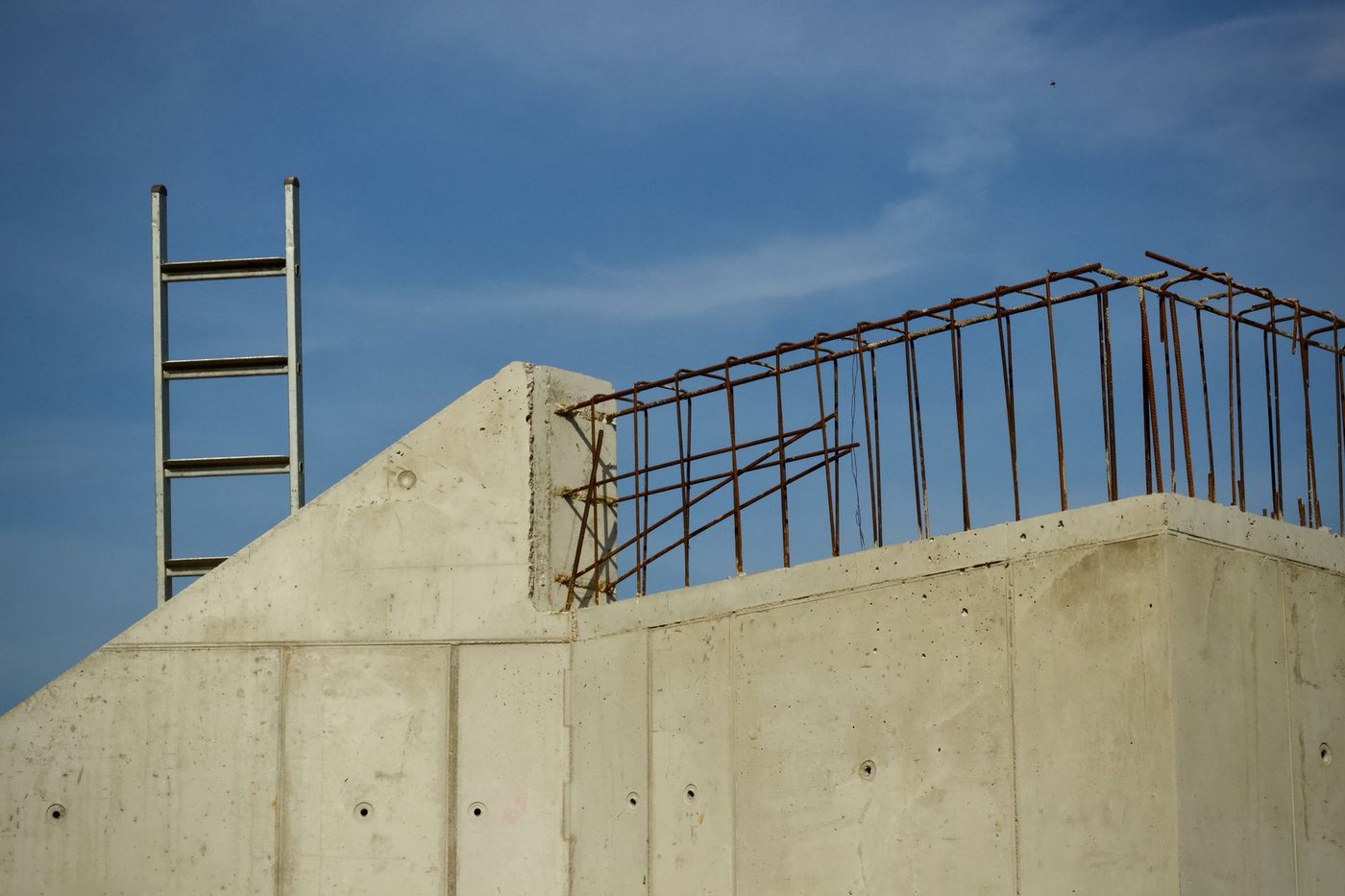
Buying pre-construction in Costa Rica can get you a brand-new home at a lower entry price with payments spread over the build. But you carry the construction risk. The rewards are real: newer designs, staged payments, some appreciation before delivery. So are the red flags: missing permits, weak contracts, and deposits paid outside escrow.
We sell both finished homes and pre-construction projects around Playas del Coco, and we manage the rentals many of them become. That means we see how these deals play out years after closing, not just at the signing table. Here is our honest take on when pre-construction makes sense and when to walk away.
What does buying pre-construction actually mean here?
You sign a purchase agreement for a home or condo that is not built yet, sometimes before ground is broken. You pay in stages: a reservation deposit, then progress payments tied to construction milestones, then a final balance at delivery. In exchange, developers usually price early units below what finished units will sell for, because your money helps finance the build and you are taking on part of the risk.
In Guanacaste this covers everything from a single spec home on a lot in Coco Bay to multi-phase condo communities. The legal structure matters: in a condo project, the developer must register the condominium regime under Costa Rica's Condominium Property Regulatory Law N° 7933, and individual units only receive their own registration numbers at the National Registry once that deed is filed. Until then, you do not own a titled unit. You own a contract.
Why do buyers choose pre-construction?
There are honest advantages, and around Coco they matter because finished inventory in the most popular price ranges is thin.
- Price. Early-phase pricing is typically the lowest the project will ever offer. Developers raise prices as phases sell and the building rises.
- Staged payments. Instead of wiring the full price at closing, you pay over 12 to 24 months or more. For buyers still working abroad, that spreads the currency moves and the cash-flow hit.
- A new build. New electrical, new plumbing, modern layouts, and current seismic codes. That matters for insurance and for guests if you plan to rent it.
- Choice. You pick the unit, the floor, the view line, and often finishes. In a resale you take what exists.
What pre-construction is NOT: a guaranteed flip. Some buyers assume they will resell at delivery for a quick gain. Sometimes that works. Sometimes a project delivers into a slow season alongside twenty identical units listed by other owners with the same idea. Buy a unit you would be happy to own and rent, not one you are counting on flipping.
What are the biggest red flags?
Most pre-construction problems trace back to a short list of warning signs. These are the ones that make us slow a client down.
- No environmental viability. Construction projects in Costa Rica need an environmental license from SETENA, the national environmental authority, before permits and building. If a developer is selling but cannot show SETENA approval, the timeline they are quoting is a guess.
- Deposits paid straight to the developer. Money should sit with a third-party escrow agent and be released against milestones. A developer who insists on direct wires to their own account is asking you to finance them unsecured.
- Land not owned by the developer. Confirm at the National Registry that the project company actually owns the land, and check for mortgages or liens on it. Your attorney can pull this in a day.
- Vague contracts. The agreement should specify finishes, materials, plans, delivery dates, penalties for delay, and what happens to your money if the project dies. "Similar or equivalent finishes" with no attachments is how granite becomes laminate.
- No completed projects. A developer's past buildings are the best evidence of the next one. First-time developers can succeed, but you are taking more risk and the price should reflect it.
- Pressure and countdown clocks. Real projects with real permits do not need you to wire a deposit tonight.
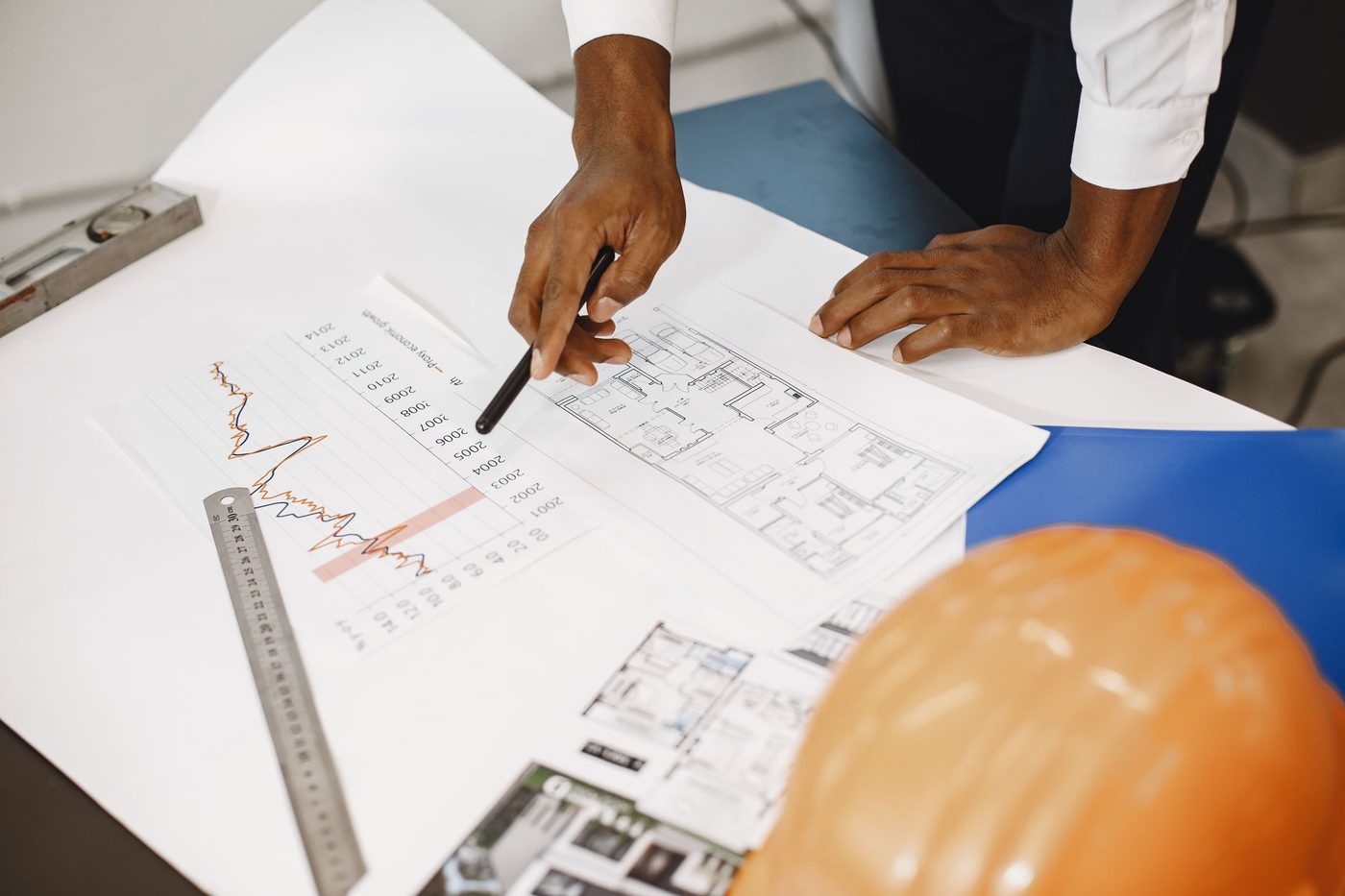
How should payments and escrow work?
Use a professional escrow agent, full stop. In Costa Rica, escrow providers register with SUGEF (the financial regulator) under Law 7786, which covers administration of third-party funds. One honest caveat: that registration is about anti-money-laundering supervision. SUGEF does not guarantee an escrow company's solvency, so pick an established firm your attorney knows and has closed with before.
A healthy structure releases funds as construction milestones are verified, not on a calendar. It is also common for 5 to 10 percent of the price to be held back at delivery until punch-list defects are corrected. And Costa Rica's Civil Code gives buyers a statutory five-year guaranty from delivery for defects in materials and workmanship, a protection that cannot be waived, per attorneys who handle these purchases. Have your own lawyer confirm how each of these applies to your contract. We are not attorneys and this is not legal advice.
What legal checks matter before you sign?
Pre-construction due diligence is deeper than resale due diligence, not lighter. At minimum, your attorney should verify:
- Title and liens on the project land at the National Registry.
- SETENA environmental viability for the project as designed, not for some earlier, smaller version.
- Municipal construction permits and approved plans, plus water availability. In Guanacaste, water letters can be the slowest piece.
- The condominium regime (for condos): whether Law 7933 registration is done, in process, or still a promise.
- The developer entity: who owns it, what else it has built, and whether the people behind it have judgments against them.
This is exactly why we push every buyer, pre-construction or not, to hire independent counsel. We wrote more about that in why hiring a good lawyer in Costa Rica is essential, and the general purchase process is covered in our guide on how to buy a home in Costa Rica. If the project sits near the beach, also read our explainer on concession vs. titled properties, because concession land adds a whole extra layer.
What will it cost beyond the purchase price?
Budget for closing costs when the unit finally transfers. Costa Rica charges a 1.5 percent transfer tax, registry stamps and fees add roughly 0.8 percent, and notary fees typically run 1 to 2 percent, so all-in transaction costs land near 3.5 to 4 percent of the price. Escrow fees are separate and usually a few hundred to a couple thousand dollars depending on the deal. Rates change, so confirm current figures with your attorney at signing. Then plan for the ownership costs that start at delivery: HOA fees in a condo, insurance, utilities, and property tax.
So is pre-construction right for you?
It fits buyers who have time, do not need the home this season, and want new construction at the best available entry price. It fits badly if you need certainty on dates, if the deposit money is money you cannot afford to have tied up through a delay, or if the project fails our red-flag list above.
We currently represent several pre-construction and new-build projects around Playas del Coco and Coco Bay, and we will tell you plainly which developers we trust and why. Browse what is available on our properties page, or send us a message and we will walk you through the current projects, phase pricing, and what the rental numbers look like for comparable finished units we manage.
Frequently asked questions
Is it safe to buy pre-construction property in Costa Rica?
It can be, if you protect yourself. Use a SUGEF-registered escrow agent, release payments only against verified construction milestones, and have an independent attorney confirm land title, SETENA environmental approval, and permits before any deposit. The main risks are delays and unfinished projects, so the developer's track record matters more than the marketing.
How do payments work when buying pre-construction in Costa Rica?
Typically you pay a reservation deposit, then progress payments tied to construction milestones, then a balance at delivery. Funds should sit in escrow and release as milestones are verified. Many contracts also hold back 5 to 10 percent of the price at delivery until punch-list defects are fixed. Every project structures this differently, so read the schedule closely.
What warranty do buyers get on new construction in Costa Rica?
Costa Rica's Civil Code provides a statutory five-year guaranty from delivery for defects in materials and workmanship, and attorneys note it cannot be waived by contract. Good purchase agreements add specifics: finish schedules, delay penalties, and a punch-list process. Ask your lawyer to confirm how the guaranty applies to your specific contract before you sign.
Cover photo: Peter Dyllong, Pexels · Photo: Gustavo Fring, Pexels