Navigating Cultural Differences: Customs Between the United States and Costa Rica
What actually changes day to day when you trade life in the States for life in Guanacaste, from greetings and Tico time to tipping and holidays.
The biggest cultural differences between the United States and Costa Rica come down to pace and priorities. Ticos put relationships, family, and patience ahead of schedules and efficiency. Greetings are warmer, time is looser, restaurant bills already include the tip, and directions rarely use street names. Most expats adjust within their first year here.
We have helped a lot of Americans and Canadians settle in Playas del Coco, and we made the same adjustment ourselves. None of the cultural differences are deal breakers, but pretending they do not exist is the fastest way to a frustrating first year. This guide covers the ones that actually affect daily life, updated for 2026, so you know what to expect before you land.
What does pura vida actually mean?
"Pura vida" translates as "pure life," but Ticos use it as hello, goodbye, thank you, no problem, and a general statement of philosophy. Behind the phrase sits a genuine national attitude: life is good, stress is optional, and there is no point ruining a day over something you cannot control.
In practice, that means less hustle and more presence. People take lunch seriously. Sunday is for family. A neighbor will stop a task halfway to talk with you for twenty minutes, and nobody thinks that time was wasted. Coming from the American mindset of productivity and packed calendars, this is the single biggest adjustment. It is also the thing most expats eventually say they love most.
How different is Tico time, really?
Of all the cultural differences between the United States and Costa Rica, time is the one you will feel first. Social time here is flexible. If a party starts at six, guests drift in around seven and nobody apologizes. Contractors and deliveries often treat appointments as approximations, so build slack into your plans and confirm the day before.
Two useful exceptions: banks, government offices, and medical appointments generally run on schedule, and buses leave on time more often than visitors expect. The trick is learning which clock applies. When a Tico friend wants precision, they will say "en punto" (on the dot). Otherwise, assume the relaxed version and bring a book.
How do greetings and communication change?
Greetings are personal. Women greet women, and men greet women, with a light kiss on the cheek; men shake hands. Walking into a small shop or a waiting room, you greet the room ("buenas") before doing anything else. Skipping the greeting reads as rude faster than almost any other mistake Americans make here.
Communication is indirect. Ticos avoid confrontation and rarely say a hard no. "Maybe" or "we will see" often means no, and a contractor who does not want a job may simply not show up rather than decline it. This is not dishonesty; it is a culture that values harmony over bluntness. Ask open questions, listen for hedging, and never force a public confrontation. You will also hear "con mucho gusto" (with much pleasure) instead of "de nada" for you're welcome, and respectful titles like "don" and "doña" used with older neighbors.
Spanish is the official language. In a tourism town like Coco you can function in English, but every bit of Spanish you learn pays back double in friendships, better prices, and smoother paperwork.
What surprises Americans at restaurants?
The tip is already on the bill. Costa Rican law adds a 10 percent service charge to restaurant bills, alongside the 13 percent sales tax, so the menu price grows by roughly 23 percent at checkout. An additional tip is genuinely optional; many Ticos leave nothing or just round up. If service was excellent, another 5 to 10 percent in cash is appreciated but never demanded. Costa Rica Guide has a clear breakdown of how the math works.
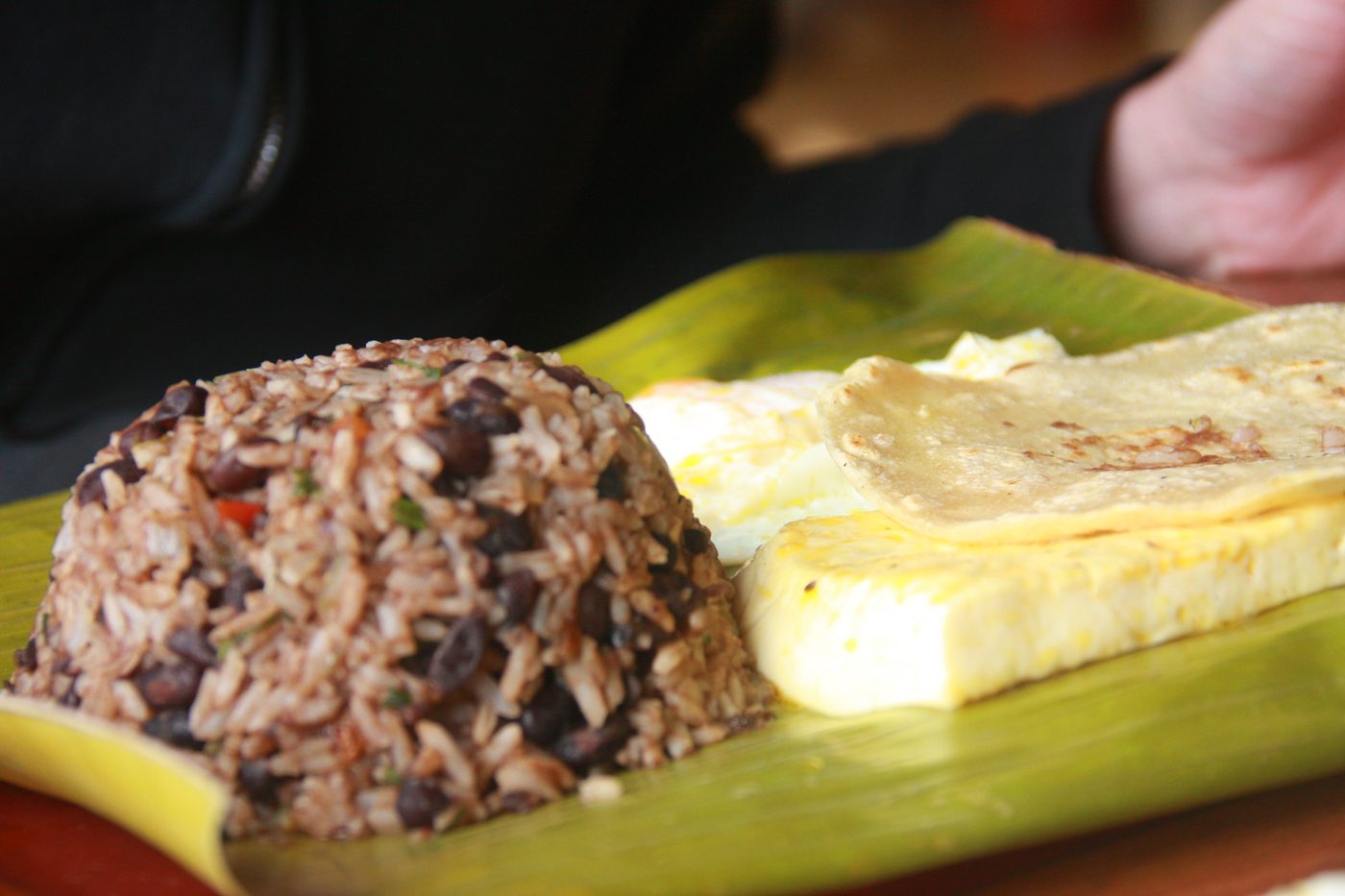
Meals are slower by design. Your server will not bring the check until you ask for it ("la cuenta, por favor"), because rushing a table is considered rude. Lunch is the main meal for many families, often a casado: rice, beans, plantains, salad, and a protein. The small local restaurants called sodas serve honest food at local prices, so eat where the locals eat at least some of the time.
Which holidays and celebrations matter here?
Costa Rica observes twelve national holidays, nine of them paid, and the country genuinely stops for the big ones. Semana Santa (Holy Week, before Easter) empties the cities and fills the beaches, so expect closed offices and busy roads in Coco. On July 25, Guanacaste Day celebrates the annexation of our province with topes (horse parades), marimba music, and traditional food. We wrote more about it in why expats love Guanacaste Day.
One correction worth making, since plenty of relocation guides get it wrong: Costa Rica does not celebrate a Mexican-style Día de los Muertos. November 2 here is Día de los Difuntos, a quiet day when families visit cemeteries. The big street party is the Limón carnival on the Caribbean coast each October, a long way from Guanacaste. December belongs to family: tamales, year-end bonuses, and beach trips.
How do addresses, banking, and paperwork work?
Street addresses barely exist. Directions run from landmarks: 200 meters south of the church, yellow gate. Delivery drivers call you when they get close. You will learn your neighborhood's landmarks quickly, including a few that no longer exist, because Ticos still give directions from where things used to be.
Bureaucracy demands patience. Opening a bank account takes documents, time, and sometimes several visits. Government offices move at their own pace, and being friendly gets you much further than being firm. Budget more time than the same errand takes in the States, and treat one finished errand as a good morning. Our post on what to know before moving to Costa Rica covers the practical checklist in more depth.
Driving is its own cultural education: motorcycles thread through traffic, horns are conversation, and road conditions change with the season. We covered the details in our guide to driving in Costa Rica.
What about healthcare and safety?
Costa Rica runs a universal public health system, the Caja (CCSS), alongside a strong private sector. Legal residents are required to enroll in the Caja and pay a monthly contribution based on reported income, and many expats also carry private insurance for speed and choice. Confirm the current requirements and contribution rates with a licensed attorney when you apply for residency, because that is the stage where the rules are applied.
On safety, Coco is a small town where people know each other, and most problems are opportunistic theft rather than violence. The same common sense you would use anywhere applies: lock up, do not leave valuables on the beach, and get to know your neighbors. Police presence looks lighter than in the United States, and community ties do more of the work.
How can you settle in faster?
- Greet everyone. "Buenas" costs nothing and opens every door in town.
- Start Spanish early. Even fifteen minutes a day changes your experience within months.
- Say yes to invitations. Community here is built at birthdays, futbol matches, and beach barbecues.
- Stop converting prices in your head. Learn what things should cost in colones; our cost of living guide is a good starting point.
- Leave the American clock at home. Plan one errand per morning, not five.
The expats who struggle here are usually the ones trying to rebuild the United States with better weather. The ones who thrive treat the cultural differences as the point of the move, not the price of it.
We live in Playas del Coco year-round, and we are happy to give you an honest read on daily life here, the good parts and the frustrating ones. If you are thinking about making the move, browse our current listings or send us a message and ask us anything, including the things the glossy guides leave out.
Frequently asked questions
Is it rude to be late in Costa Rica?
For social events, no. Arriving thirty minutes after the stated time is normal and often expected. Business meetings, banks, and medical appointments run much closer to schedule, so treat those the way you would at home. When in doubt, ask whether something runs on "hora tica" or "hora gringa." People will laugh, and then they will tell you.
Do I need to speak Spanish to live in Playas del Coco?
You can get by with English in Playas del Coco because tourism has made the town functionally bilingual. Banks, clinics, and government offices still work mostly in Spanish, though, and even basic phrases change how people treat you. Most expats we know start lessons after arriving and are comfortably conversational within a year or two.
Do you tip in Costa Rica on top of the 10 percent service charge?
No extra tip is expected. Restaurant bills in Costa Rica include a 10 percent service charge by law, plus 13 percent sales tax, and many locals leave nothing beyond that. For standout service, another 5 to 10 percent in cash is a kind gesture. Do tip guides, drivers, and bellhops separately, since they do not receive the service charge.
Cover photo: The LEAF Project, CC0, via Wikimedia Commons · Photo: Legendre17, CC BY 3.0, via Wikimedia Commons