Can Americans Buy Property in Costa Rica? A Comprehensive Guide
What American buyers need to know about ownership rights, costs, and the purchase process in 2026.
Yes, Americans can buy property in Costa Rica, and they hold it with the same ownership rights as Costa Rican citizens. You do not need residency, a local partner, or a special permit to buy titled property. The main exception is beachfront concession land, which follows separate rules. Here is how it all works in 2026.
What rights do American buyers actually have?
Costa Rica extends the same private property protections to foreigners that its own citizens enjoy. When you buy titled property (called fee simple in the US), the transfer is recorded in the Registro Nacional, the country's public national registry, under your name or your corporation's name. That registration is your protection, which is why the title search your attorney runs before closing matters more than any other step in the transaction.
We have helped Americans buy property in Costa Rica for years, and the legal framework is honestly not the hard part. The hard part is the same as anywhere: knowing what a fair price looks like, and doing real due diligence. A property can have a clean title and still have water, easement, or zoning issues that only surface when someone competent checks.
Two ownership categories cover almost everything you will see listed:
- Titled property. Full ownership, registered in the national registry, freely bought and sold by foreigners. This is what most homes and condos in Playas del Coco are.
- Concession property. A long-term lease from the municipality inside the maritime zone, mostly land right on the beach. Different rules apply, including real restrictions on foreigners.
We wrote a full comparison in Concession vs. Titled Properties if you want to go deeper.
Why does beachfront land work differently?
Costa Rica's Maritime Zone Law governs the first 200 meters inland from the mean high tide line. The first 50 meters are public land. Nobody can own or build there, which is why every beach in the country stays open to everyone. The next 150 meters are the restricted zone, where land is held through municipal concessions rather than title.
This matters to American buyers because a foreigner who has not held Costa Rican residency for at least five years cannot hold a concession in their own name, and a corporation holding one must be majority Costa Rican owned. There are legal structures that work around this, but they add cost, complexity, and risk. Our honest take: most buyers are better served by titled property a short walk from the sand. In Playas del Coco and Ocotal, the large majority of homes and condos sit on titled land, so this issue comes up less often than people fear.
How does the buying process work, step by step?
- Get clear on the goal. A full-time home, a vacation home, and a rental investment point to different properties. If you are still weighing the decision, our post on renting vs. buying in Costa Rica is a good place to start.
- Work with an agent who lives in the market. Listings in Costa Rica are not centralized the way an American MLS is, and pricing is not always transparent. Local knowledge is your best defense against overpaying.
- Hire an independent real estate attorney. Not the seller's attorney. Yours. In Costa Rica, attorneys who are also notaries public draft and register the transfer deed, so this person carries real weight in the deal. We explain what to look for in why hiring a good lawyer is essential.
- Make a written offer and sign a purchase agreement. Once terms are agreed, a deposit is typically placed with a regulated escrow company, not handed to the seller.
- Complete due diligence. Your attorney verifies title and liens in the national registry, checks the registered survey plan, confirms water availability and zoning, and reviews the corporation if the property is held in one.
- Close and register. The notary executes the transfer deed, funds are released from escrow, and the deed is filed with the national registry. You can close by power of attorney if you cannot be in the country.
For a fuller walkthrough, see our guide on how to buy a home in Costa Rica.
What does buying property in Costa Rica actually cost?
Budget for closing costs on top of the purchase price. The main pieces:
- Transfer tax: 1.5% of the sale price or the registered fiscal value, whichever is higher, per PwC's Costa Rica tax summary.
- Registry stamps and fees: roughly another 1% combined.
- Legal and notary fees: commonly 1.25% to 1.5%, plus 13% VAT on those services.
- Escrow: usually a flat fee or a small fraction of a percent.
All in, most buyers land between 3.5% and 5% of the purchase price, and costs are negotiable between buyer and seller. Once you own, the annual property tax is 0.25% of the registered value, which is low by US standards: about $1,000 a year on a $400,000 registered value. Costa Rica also charges a solidarity tax (often called the luxury home tax) on higher-value houses. The threshold adjusts each year, so ask your attorney whether a specific property crosses it. We are not attorneys or accountants, and none of this is legal or tax advice. Confirm current rates with your professionals before you close.
Can Americans get a mortgage in Costa Rica?
Usually not on terms worth taking. This is largely a cash market. Costa Rican banks lend to non-residents reluctantly, slowly, and at higher interest rates than Americans are used to. Most of our American buyers fund purchases one of three ways: cash from savings or a home sale, equity pulled from a US property through a HELOC or cash-out refinance, or seller financing, which some owners here offer with meaningful down payments and short terms. Cash also negotiates better. Sellers in Guanacaste give real weight to a clean, fast close.
Does buying property help you get residency?
It can. Under Law 9996, a real estate investment of at least $150,000 can qualify you for temporary residency in the investor (inversionista) category, per Fragomen's guide to Costa Rica investment residency. The threshold was reduced from $200,000 in 2021, and under the current rules the property generally needs to be registered in your personal name rather than a corporation's. Investor residency can later lead to permanent residency.
Two things to keep straight. First, you do not need residency to buy or own. Second, owning does not extend your immigration status: Americans currently enter as tourists for up to 180 days at the immigration officer's discretion, and residency is a separate application. Immigration rules change often, so work with a licensed immigration attorney and confirm current requirements before building plans around them.
What about US taxes back home?
Buying abroad does not end your relationship with the IRS. Americans file US tax returns on worldwide income, so rental income from a Costa Rican property is reportable in both countries. Holding property through a Costa Rican corporation, or keeping funds in local bank and escrow accounts, can also create US reporting obligations. None of this is a reason not to buy. It is a reason to hire a cross-border accountant before you close, not after.
Why do so many American buyers end up in Playas del Coco?
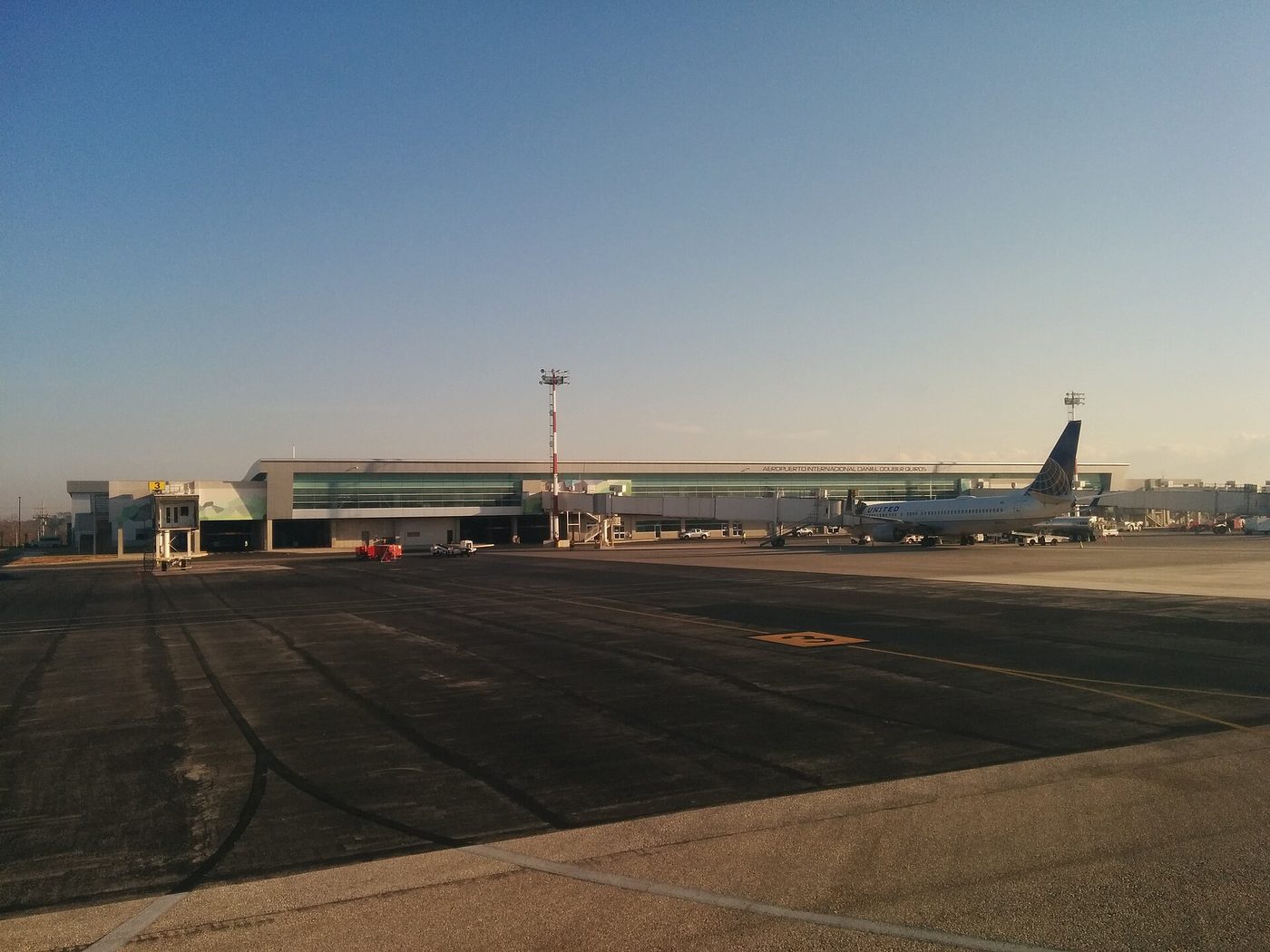
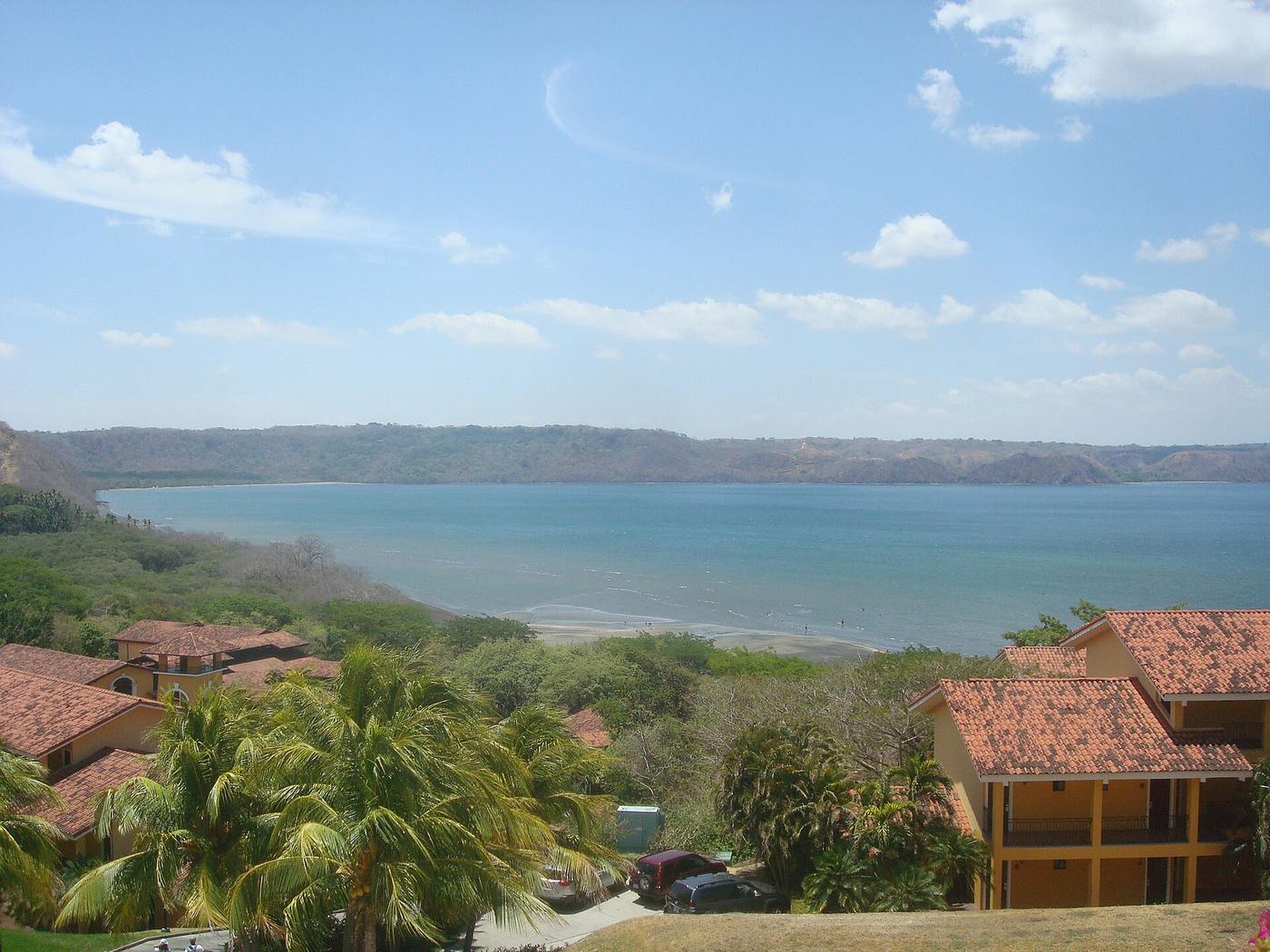
Practicality, mostly. Coco sits about 23 kilometers from Liberia international airport, roughly a 30 minute drive on paved highway, which makes it one of the easiest beach towns in the country to reach from the US. It is a real town with supermarkets, banks, clinics, and restaurants, plus private hospitals 30 minutes away in Liberia. Most inventory is titled rather than concession, and the established American and Canadian community makes the landing easier.
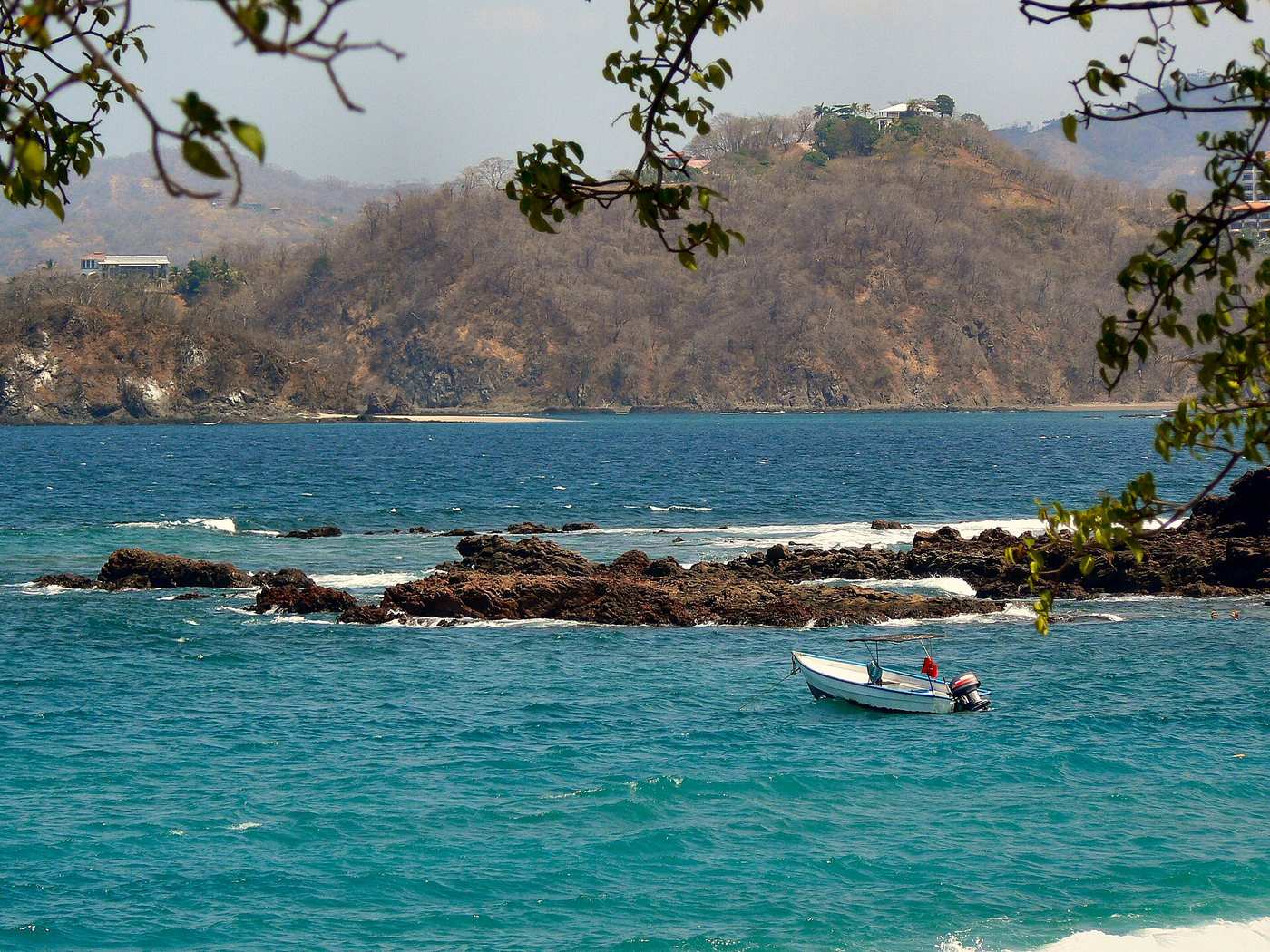
It is fair to say what Coco is not. It is not a secluded jungle hideaway, and from January through April the landscape turns brown and hot. That same dry season is exactly what vacationers fly in for, which is why rental demand here is strong. We live in Coco, we manage around 40 vacation rentals in Coco and Ocotal, and we are happy to tell you which streets, buildings, and price points we would buy ourselves. Browse our current listings, or send us a message and tell us what you are looking for.
Frequently asked questions
Do Americans need residency to buy property in Costa Rica?
No. You can buy titled property as a tourist, and your ownership is registered exactly the same way a citizen's is. Owning property does not extend your immigration status, though. Americans currently receive tourist entries of up to 180 days at the officer's discretion, and residency is a separate application handled through immigration.
Can Americans own beachfront property in Costa Rica?
Sometimes, but most land within 200 meters of the high tide line falls under the Maritime Zone Law. The first 50 meters are public, and the next 150 meters are concession land that foreigners cannot control until they have held residency for five years. Titled beachfront exists but is scarce, so most buyers choose titled property a short walk back.
Is it safe for an American to buy property in Costa Rica?
Yes, when you follow the process. Titled property is recorded in a national public registry, and an independent attorney can verify title, liens, and boundaries before any money moves. Most problems we see come from skipped due diligence or informal handshake deals, not from the legal system. Use a licensed attorney and a regulated escrow company.
Cover photo: Rodtico21, CC BY-SA 4.0, via Wikimedia Commons · Photo: NoTalkMan, CC0, via Wikimedia Commons